

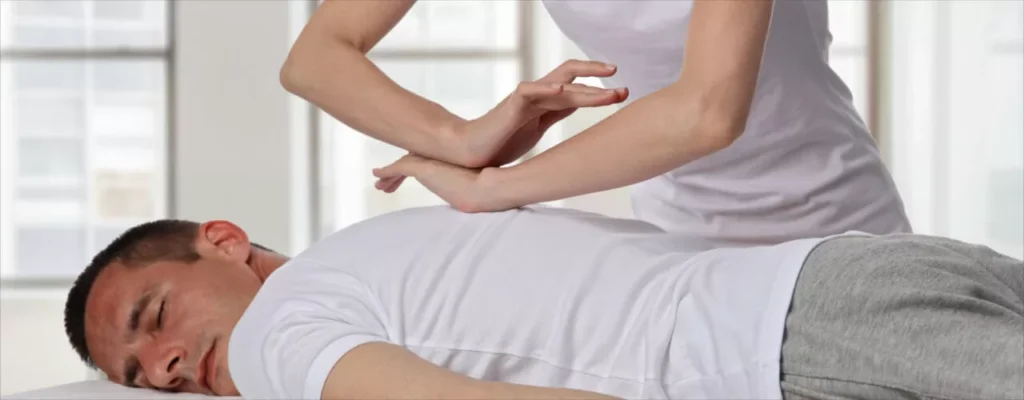
If you live in Islip, East Islip, Bay Shore, or a nearby Long Island community and feel a sharp, burning, or electric pain running from your lower back down your leg, there is a good chance it is sciatica. The good news is that sciatica is often very treatable with the right combination of physical therapy, chiropractic care, and medical pain management.
This guide explains what sciatica is, when to worry, and how the team at Universal Health & Rehabilitation can help you find relief using coordinated, non-surgical care.
What Is Sciatica?
Sciatica is not a single diagnosis. It is a collection of symptoms resulting from the irritation or compression of the sciatic nerve. This large nerve starts in your lower back, travels through your hips and glutes, and runs down each leg.
Common sciatica symptoms include:
- Sharp, shooting pain from the lower back into the buttocks and leg
- Numbness, tingling, or burning in the legs
- Weakness when lifting the foot or standing on your toes
- Pain that worsens with prolonged sitting, bending, or twisting
- Relief when lying flat or gently walking
Sciatica can develop after a specific injury, such as lifting something heavy with poor form, or it can gradually worsen due to poor posture, repetitive strain, or changes in the discs over time.
Common Causes of Sciatica in Adults
Several conditions can put pressure on or irritate the sciatic nerve:
- Herniated or bulging disc in the lower back
- Degenerative disc disease and age-related disc changes
- Spinal stenosis, which narrows the space around the nerve
- Muscle tightness or imbalance in the hips and lower back
- Work or sports injuries, including heavy lifting, twisting, or falls
- Pregnancy, due to posture changes and extra load on the spine
A thorough evaluation helps determine which of these is most likely driving your pain, and that guides which combination of physical therapy, chiropractic, and pain management is appropriate.
When Should You See a Sciatica Specialist?
Mild tingling or soreness that goes away in a day or two can sometimes be managed with rest, gentle stretching, and activity changes. You should see a sciatica specialist promptly if:
- Pain has lasted more than one to two weeks
- The pain is getting worse instead of better
- You have numbness or weakness in the leg or foot
- Pain makes it hard to work, drive, or sleep
- You had a fall, a car accident, or a workplace injury
You should seek emergency care or urgent medical attention if you notice:
- Loss of control over your bladder or bowels
- Severe weakness in one or both legs
- Sudden numbness in the groin area
These can be signs of a rare but serious condition that needs immediate medical care.
How Physical Therapy Helps Treat Sciatica
Physical therapy is one of the most effective and conservative ways to treat sciatica. At Universal Health & Rehabilitation’s physical therapy program in Islip, care focuses on restoring healthy movement, reducing nerve pressure, and teaching you how to protect your spine long term.
A typical sciatica PT plan may include:
- Detailed evaluation:
- Posture, movement, and gait analysis
- Strength and flexibility testing
- Review of work duties, daily activities, and aggravating positions
- Manual therapy and mobilization:
- Gentle joint mobilizations in the spine and hips
- Soft tissue work to release tight muscles around the nerve
- Targeted exercises:
- Core and hip strengthening
- Nerve gliding exercises are appropriate
- Flexibility work for hamstrings, hip flexors, and glutes
- Activity modification and education:
- How to sit, stand, and lift to reduce stress on your lower back
- A custom home exercise program to support your progress
By improving mobility, strength, and alignment, physical therapy often reduces pressure on the sciatic nerve and helps prevent flare-ups in the future.
How Chiropractic Care Supports Sciatica Relief
Chiropractic care focuses on alignment and function of the spine and joints. At Universal Health & Rehabilitation’s chiropractic clinic, your chiropractor evaluates how your spinal joints are moving and how that might be contributing to sciatic nerve irritation.
Sciatica-related chiropractic care may include:
- Spinal adjustments to improve alignment and take stress off irritated joints
- Gentle mobilization for stiff segments in the lumbar spine and pelvis
- Postural coaching and ergonomic advice
- Coordination with physical therapy and pain management when nerve pain is more severe
Many patients find that combining chiropractic adjustments with physical therapy exercises provides better relief than either option alone. The adjustment helps free up motion, and PT builds the strength and control needed to support that new motion.
When Pain Management Is Part of the Plan
Sometimes, sciatica pain is intense enough that it limits your ability to participate in exercises or daily activities. In these cases, a medical pain management specialist can help reduce symptoms so that active rehab becomes possible.
At Universal Health & Rehabilitation’s pain management program in Islip, a board-certified physician provides:
- Evaluation of your medical history and imaging
- Recommendations for appropriate medications when needed
- Epidural steroid injections or other targeted procedures when indicated
- Close coordination with your physical therapist and chiropractor
Pain management is not only about medication. It is also about improving function and quality of life so that you can move, work, and sleep while your body heals.
Physical Therapy vs Chiropractic vs Pain Management for Sciatica
Below is a quick comparison of how each part of your care team can help. This is for general education and does not replace a personalized plan.
| Situation or Goal | Physical Therapy | Chiropractic Care | Pain Management |
| New sciatica after lifting or twisting | Improve flexibility and strength, correct long-term posture issues | Adjust spine and pelvis to improve alignment and joint motion | Often not needed immediately unless pain is severe |
| Chronic sciatica and stiffness | Pain is too strong to tolerate during exercises | Periodic adjustments to maintain good joint function | May consider medications or injections if conservative care stalls |
| Works closely with the physician, may start with gentle techniques | Short-term medication or injections to allow active rehab | Gentle mobilization rather than aggressive adjustments | Functional training, lifting strategies, and return to activity plan |
| Returning to work, sports, or daily activity | Support for flare-ups, ongoing pain management if needed | Maintain spinal health and reduce future joint stress | Support for flare ups, ongoing pain management if needed |
What To Expect From Care at Universal Health & Rehabilitation
Universal Health & Rehabilitation brings multiple independent providers together under one roof in Islip, so sciatica care can be coordinated rather than fragmented.
A typical care journey for sciatica might look like this:
- Initial evaluation: review of your symptoms, medical history, and any imaging you may already have, plus a physical examination of your spine, hips, and legs.
- Early relief phase: gentle physical therapy and chiropractic techniques, with possible pain management support if symptoms are intense.
- Rebuilding phase: progressive strengthening and mobility work, with ongoing adjustments as needed to keep joints moving well.
- Long-term prevention: home exercises, education on safe movement, and periodic tune-ups if your work or sports place stress on your spine.
Patients who live in East Islip or nearby areas can also benefit from physical therapy and rehab services connected with the Islip facility.
Home Strategies To Support Sciatica Treatment
While professional care is essential, there are simple steps you can use at home to help support your recovery:
- Short, frequent walks rather than long periods of sitting
- Gentle stretching for the hips, hamstrings, and lower back as advised by your therapist
- Using a small towel roll or lumbar support when sitting
- Alternating between sitting and standing during the day when possible
- Following your home exercise program consistently
Avoid aggressive stretching or heavy lifting without guidance, especially during the early phase of healing.
Get Help for Sciatica in Islip, NY
Sciatica can be frustrating, especially when pain travels down the leg and disrupts work, sleep, and daily life. You do not have to guess which specialist to see first or try to manage nerve pain on your own.
At Universal Health & Rehabilitation in Islip, you have access to coordinated physical therapy, chiropractic services, and pain management in one facility, with providers who regularly work with sciatica and other nerve-related conditions.
If you are ready to take the next step toward relief, you can call the office or contact us to request an appointment or ask questions about your symptoms and insurance options.